
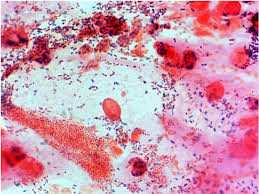
Bacterial Vaginosis, a common sexually transmitted disease.
Bacterial Vaginosis (BV) occurs when different types of bacteria outnumber the normal Lactobacillus bacteria in the vagina.There are increased numbers of the following organisms in the vaginas of women with BV:
- Bacteroides
- Gardnerella vaginalis
- Mobiluncus
- Mycoplasma hominis
Bacterial Vaginosis (BV)
BV is also called:
- Gardnerella-associated vaginitis
- Nonspecific vaginitis
It is one of the most common causes of vaginitis symptoms among women, particularly those who are sexually activity. It causes painful inflammation of the vagina.
Bacterial Vaginosis Symptoms
Although more than 50% of women with BV have no symptoms. When symptoms do occur they include:
- excessive, thin gray or white vaginal discharge that sticks to the vaginal walls,
- fishy or musty, unpleasant vaginal odor, most noticeable after sex,
- vaginal itching and irritation.
Photos of Bacterial vaginosis Symptoms
—————————————–
Transmission of Bacterial vaginosis
The risk of acquiring BV is increased by:
- changing sexual partners,
- douching,
- using intrauterine devices (IUDs).
The infection cannot be spread from person to person by casual contact, such as:
- clothing,
- door knobs,
- eating utensils,
- swimming pools,
- toilet seats.
Diagnosis of Bacterial vaginosis
Diagnosis is general made by one of two methods:
Physical Examination
- observation made with the naked eye and nose
- undergoing a pelvic examination
Laboratory Tests
A sample of the vaginal discharge is obtained and viewed under the microscope, either stained or in special lighting, to determine:
- absence of lactobacilli
- change in pH of vaginal fluid
- decreased acidity.
- If the vaginal cells have the classic appearance of ‘clue cells’, cells from the vaginal lining that are coated with the BV bacteria.
- The presence of Gardnerella bacteria is confirmed by microscopic examination.
- As an added confirmation of infection, the sample is mixed with potassium hydroxide and produces a strong fishy odor when the bacteria are present.
- Online Testing
Bacterial vaginosis (BV) Treatment
BV can be difficult to cure using either conventional or alternative treatments.———————-
Conventional Treatment
Although it is uncertain if BV is sexually transmitted, treatment of all sexual partners is essential to prevent re-infection.
The usual treatment is antibiotics, taken orally or vaginally, including:
- Ampicillin
- Ceftriaxone
- Clindamycin
- Femmesil
- Metronidazole
- Tetracycline.
Femmesil – Aidance Skincare
Soothing, all-natural Femmesil™ Ultra Therapy ointment provides relief from
- itch
- odor
- infection
- restores vaginal health.
Made by Aidance Skincare in the USA and FDA Registered. Aidance products use the finest natural ingredients. Our powerful healing products based on our Activated Minerals™ formulations are backed by over 10 years of R&D, testing, multiple patents, thousands of repeat customers worldwide.
90-Day Satisfaction Guarantee.

Naturopathic Treatments
- Abstaining from sexual activity while the bacterial imbalance/infection is healing.
- Direct applications of local, anti-microbial products.
- Support the immune system and its ability to fight the infection and balance the vaginal system.
Dietary Recommendations:
Include in your diet:
- flaxseed (Linseed) meal and oil – quality source of omega 3
- fresh vegetables and fruits
- unrefined grains
- organic meats, including fish, poultry
- plenty of pure fresh water – spring water or filter water.
Use foods that have been raised without the use of chemical fertilizers or pesticides wherever possible.
Reduce or avoid:
- alcohol
- coffee
- fast foods
- processed foods
- refined flour products (bread, pasta, etc.)
- saturated fats from animal products
- sugar
Nutritional Supplements
- Vitamin C (1,000 mg three times daily with meals)
- Zinc (30 mg daily)
Proteolytic enzymes have been shown to increase effectiveness of the medication.
These include:
- Bromelain (400mg)
- Wobenzme N (5 tablets three times a day away from meals).
Herbal Therapeutics
- Goldenseal (Hydrastis canadensis) vaginal suppositories
- Goldenseal/Vitamin A vaginal suppository twice daily
Homeopathic Therapeutics
- Aspergillus
- Candida
- Notatum
Other Treatments
- Warm sitz baths with tea tree oil (Melaleuca alternifolia)
- Vaginal douching using: Goldenseal (Hydrastis canadensis) and Oregon Grape Root (Mahonia aqjuifolium).
Bacterial vaginosis Prevention
Although it is uncertain if the infection is sexually transmitted, sexually active women appear to suffer from the infection more than other women.
Help Factors:
- Abstain from sex until the infection is cured and all symptoms have ceased.
- Inform any sex partners so treatment may be undertaken.
- Limit sexual relationships to a single, uninfected partner.
- Regular use of condoms may offer protection against the infection.
Bacterial Vaginosis Prognosis
Complications:
BV is thought to be associated with:
- ectopic (tubal) pregnancy,
- infertility (unable to have children),
- low birth weight in infants born to infected mothers,
- pelvic infections,
- premature birth in infants born to infected mothers.
Bacterial Vaginosis also increases the risk of acquiring:
