
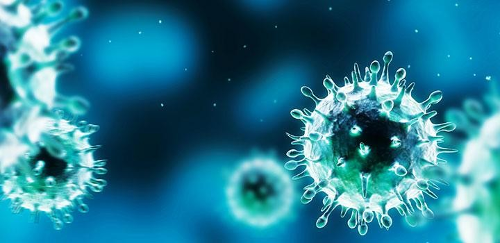
Information and Pictures on Herpes, a common sexually transmitted disease. Information including symptoms, diagnosis, treatment, transmission, prevention and other general information.
Contents
Herpes Simplex Virus (HSV) Information
Herpes, genital herpes and herpes labialis (cold sores) are all sexually transmitted diseases (STDs) caused by the same virus, which is known as the Herpes Simplex Virus (HSV).
Herpes simplex virus (HSV) infections are very common and on the increase in the United States. Nationwide 45 million people aged 12 and older (1 out of 5 of the total adolescent and adult population) are estimated to be infected with genital herpes HSV-2. Infection rates of Herpes Simplex Virus type 1 or cold sores is estimated to be about 4 out of 5 people.
Genital Herpes or HSV-2 is more common in women (1 out of 4) than in men (1 out of 5).
HSV-2 infection is also more common in areas of high socio-economic disadvantage, which face fundamental issues of health care such as:
- lack of access to quality health care
- poverty
- living in communities with a high prevalence of STDs
- illicit drug use
Herpes Virus Transmission
Herpes is spread by direct skin contact with the viral particles, HSV particularly thrives on moist, soft skin like lips and genitals.
It is also transmitted by sexual contact, including:
- anal sex
- oral sex
- vaginal sex
HSV can also be transmitted by:
- kissing
- skin-to-skin contact with open sores and lesions
What is asymptomatic transmission?
- Sometimes the virus can be transmitted to others even though there are no sores or other symptoms. This is called asymptomatic transmission.
- People need to be aware, when an outbreak is just beginning or finishing, that viral shedding can still occur, with the potential of spreading the infection to others.
- The body can be assisted in fighting the infection by eating the herbs olive leaf & andrographis which are effective in reducing viral shedding.
Herpes Infection Rate Statistics
- An estimated 40 million people in the US have genital herpes, which is a chronic viral infection.
- About 500,000 new people get diagnosed with herpes each year in the US.
- There are even more people without symptoms who are carriers of the virus and thus potential transmitters.
Genital Herpes HSV-2 Infection Rates:
- have increased dramatically among young white teens (12-19 years old)
- have risen 5 times higher than 20 years ago among the Caucasian population
- is twice as likely to infect 20-29 year old adults
Genital Herpes Symptoms
Herpes symptoms vary in each person, but there are common symptoms. Small red bumps may appear in the genital area after initial infection, which can later develop into painful blisters. (view short video on herpes here)
Early symptoms of Herpes may include:
- burning sensation in the genitals or infected area
- flu-like symptoms
- lower back pain
- pain when urinating
The blisters usually:
- crust over
- form a scab
- heal
The First Herpes Outbreak:
Symptoms usually develop within 2-20 days after contact, but could continue up to 2 weeks.
The first infection can be extremely harsh for some people and for others it may be so mild it goes unnoticed. In most cases, the first attack causes visible sores. Subsequent recurrences of the virus may cause an outbreak of blisters.
The virus retreats into the nerves and lies dormant. Even when there are no symptoms of herpes, transmitting the virus is still possible (asymptomatic viral shedding).
Healing of the skin does not normally leave scarring.
Typical Symptoms of Herpes
When it gets into skin cells the virus reproduces itself and starts to multiply, making the skin red and sensitive. Blisters or bumps may appear on the genital area, the blisters first opening and then healing with the regeneration of new skin tissue.
During the outbreak the infected area may be:
- painful
- burn
- itch
- tingle
Other symptoms can include:
- fever
- headache
- infection of the urethra causing a burning sensation when urinating
- muscle ache
- painful inflamed blisters which develop around the infected area
- swollen lymph glands
- vaginal or penis discharge
The first episode is usually the most severe, with most episodes lasting 10-21 days. A warning sign (prodromal) such as tingling, irritation and burning feelings are usually experienced just before a recurring outbreak. Detailed herpes symptoms information and pictures
Should any of these symptoms occur, consult your doctor or other health care provider immediately. Genital herpes should be diagnosed and treated professionally.
Photos of Herpes SymptomsHerpes Virus Diagnosis
Diagnosis of having the Herpes simplex Virus can be made by:
Blood Test
A blood test for Herpes is available only in a few research centers.
Microscopic Examination of Tissue Scraping
In this process, scraping from lesions are stained and then examined under a microscope.
This test is less accurate than viral cultures, as it is difficult to ascertain which type of HSV infection is present.
One common test is called a Tzanck smear.
- Results of the tests take up to 2 weeks.
The test is a specific virus culture or assay for the Herpes virus. The doctor or health consultant will obtain fluid from the sores and send it to a laboratory to see if the Herpes virus is present.
A viral culture is a fluid sample taken from a lesion when it first appears. Highly accurate results can be given from a culture taken while the lesion is still in the clear blister stage, but the process takes a few days. The test will not work if the sores have healed.
Immune Response Tests
These tests detect the body’s immune response to the Herpes virus and are slightly less reliable than viral cultures, but more reliable than tissue scraping.
- Results can sometimes be provided in two hours.
Other available tests
- antigen test
- pap Smear
Identifying Your Type of Herpes
Not everyone knows whether they have HSV-1 or 2 and in certain situations that information could be relevant. In a situation where both partners have HSV-2, both are already infected so precautions to prevent the spread of the disease are optional. If one partner has HSV-1 and the other has HSV-2, each might get infected with a second type unless precautions are used.
Diagnosing cold sores or HSV-1 is difficult because the infection seldom recurs. Since many people have HSV-1 orally, a finding of HSV-1 by Western blot serology (blood test) would not positively identify genital infection.
A Western blot confirms if you have HSV-2. If you are seronegative (negative by blood test) for type 2, but positive for type 1, that gives you a strong clue as to the cause of your outbreaks, i.e. seropositive for type 1 but not type 2, with infrequent recurring genital herpes is probably genital HSV-1.
Seek immediate professional help if genital Herpes is suspected. Some of the available diagnostic procedures become less reliable the longer you wait. For more technical information on Herpes Diagnosis. To find where herpes testing is available in your area centers near you.
Herpes Treatments
Below is a comprehensive guide to Herpes treatments brought together by years of experience. Includes information such as safety, success rates and purchasing options.
Herpes is a viral condition that is greatly affected by the state of your immune system. Did you know that some people are infected with herpes and cold sores but NEVER experience a flare-up or a recurrence? In these rare cases, it is the person’s immune system that is effectively controlling and suppressing the virus, which is why they experience no symptoms. If you are having problems controlling a Herpes or cold sore condition, the first step is to assess your health and see how you can strengthen your immune system. Eating fresh fruit and vegetables, limiting toxins (such as alcohol and cigarettes), drinking plenty of water and doing regular moderate exercise are the first steps to improving your body’s ability to fight the virus. Also where possible, avoid foods that can aggravate HSV, such as chocolate, nuts, oats, caffeine and brown rice. These foods contain high levels of an amino acid that the herpes virus needs to survive.
Herpes is a tricky little virus that does not always respond to treatment. Over the years, many people have tried many different treatments in an attempt to stop herpes outbreaks and prevent the spread of infection to their partners.
Here is a list of herpes treatments (both allopathic and traditional) that are recognized as being effective for some people
– What are antiviral herpes medications?
– Valtrex (generic name, Acyclovir)
– Famvir
Traditional Herpes Therapies
– Therapeutic herbs for herpes
– Herpes Oxygen Therapy
– Lysine, Vitamins and Minerals for Herpes
– Tips to Help with Pain and other Herpes Symptoms
Herpes Treatment Analysis
Although this virus is hard to kill once inside of the body, it can be suppressed by several of the treatments mentioned below – especially if the treatment is started soon after infection. Once established, the herpes and cold sore virus hides inside a host cell, which makes it difficult for our immune system to recognize and fight. Early commencement of treatment is a determining factor in the success rates for that treatment. The reviews below are drawn from the information and literature supplied by the manufacturers or suppliers of each particular treatment. This includes scientific trials, as well as anecdotal information, and testimonials from people affected by HSV who have first hand experience with particular treatments.
A successful herpes treatment is considered to be whichever one keeps active outbreaks away for the longest duration of time. No treatment is successful for everyone and the approach to herpes treatment will need to be considered according to the individual and their conditions.
The following are the most successful natural and conventional Herpes treatments:
Essential Oils for Herpes
What are Essential Oils?
Success Rate
Adverse Reactions
What are Essential Oils?
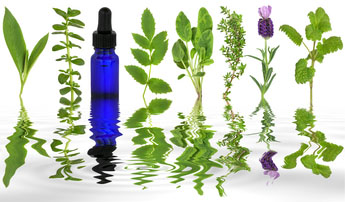
Essential oils produce strong and powerful results against skin infections. When specific herbs are used internally, they purge the blood of most pathogens and viruses.
Active ingredients of essential oils include terpenes, sesquiterpenes, ketones, aldehydes, esters, alcohols, and phenols.
The most commonly used essential oils for herpes are:
- Lavender
- Calendula
- Cloves
- Eucalyptus
- Oregano
- Peppermint
- Thyme
- Melissa (Lemon Balm)
- Cajeput
- Rosemary
Success Rate:
Essential oils work very well when they are correctly chosen for the particular problem. When using essential oils against the Herpes virus there have been many reports of successful treatments. However it seems to depend on the individual, an oil that works well for one person may not work as well for the next.
Many herpes sufferers proclaim the beneficial effects of essential oils. The discomfort and progression of a herpes outbreak can be greatly reduced when the right essential oils are used. Certain essential oils have anti-viral and healing properties that, when applied to a viral infection such as herpes, have the effect of destroying a majority of the viral cells on the surface. The use of essential oils for the herpes condition can give great relief in times of need.
Adverse Reactions:
Essential oils are the refined active ingredients of flowers, leaves and roots of plants. As such they are strong and can even be toxic when used in large quantities or to an excess. As with all topically applied products, always do a skin sensitivity test to first determine if you have any unusual allergy to the oil being used. Every person has a unique and different physical make up. The potential for allergy through the use of essential oils is like anything else, there is always the possibility. When using essential oils there needs to be care and discernment in choosing the very best oil for each individual.
These treatments are generally prescribed for genital herpes cases or for people who have severe or frequent cold sores. These medications only work while you are taking them and cannot prevent future outbreaks once you stop taking the drug. These antiviral medications are usually available by prescription.>
1. Herpes Suppressive Therapy
If your recurrent outbreaks are frequent or severe, your doctor may recommend that you take oral antiviral medication every day to help prevent outbreaks happening. Suppressive therapy is taken continuously, e.g. daily, for months or even years.
Some Doctors will prescribe daily antiviral medication to help reduce viral shedding (when herpes can spread without symptoms) but it means constantly taking the medication.
2. Herpes Episodic Therapy
With episodic treatment, the aim is to shorten the time each outbreak lasts and to relieve symptoms. If you are coping well and your outbreaks are not too frequent, you and your doctor may agree that episodic treatment is the most appropriate option.
You should consult your doctor for further information about antiviral treatment for your particular situation.
- shorten the duration of a Herpes outbreak and help speed healing.
- reduce the number of outbreaks suffered, or prevent them completely.
- help reduce viral shedding when taken everyday.
These medical drugs are usually synthetically made and their usage should be strictly monitored especially if you feel you may have a weakened kidney or liver.
Valtrex (generic name, Acyclovir)
What is Valtrex?
Success Rate
Adverse Reactions
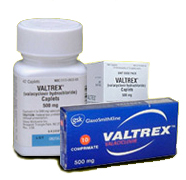
What is Valtrex?
Acyclovir is the same compound as Valtrex, only not as concentrated, so you will need to take more of the Acyclovir and more often to achieve the same dose. Both medications are equally as effective but Valtrex is more convenient and more expensive than the generic Acyclovir. When used as an episodic treatment, Valtrex can help the sores heal faster and shorten the period of pain during the outbreak. If taken every day, Valtrex may help to cut down the time during which the virus is detected on the skin (viral shedding). When taken as soon as the first signs of an outbreak are noticed (such as tingling, itching or redness) Valtrex may be able to prevent the development of painful blisters. Valtrex is generally taken twice daily when used as an episodic treatment. For suppressive treatment, Valtrex is taken once daily, or sometimes twice a day if outbreaks are very frequent. Please consult your doctor for your specific dosage.
Success Rate:
These medications are very helpful for a lot of people when taken within 72 hours of feeling symptoms. Antiviral medications are the only treatment option available from your Doctor for genital herpes. Unfortunately, they do not work for everyone and are accompanied with a whole range of undesirable side effects, which is why many patients seek other alternatives. You should consult your doctor for further information about antiviral treatments for your particular situation.
Adverse Reactions:
Most commonly reported side effects from Valtrex and the chemical prescription medications are headaches, nausea, diarrhea and abdominal pain. Other side-effects can include joint pain and hair loss. Serious complications have been reported in people with compromised immune systems from conditions such as advanced HIV disease (AIDs), bone marrow deficiencies or kidney transplants who have then contracted the Herpes virus. Full list of Valtrex (Acyclovir) side-effects
Famvir (Famciclovir)
What is Famvir?
Success Rate
Adverse Reactions
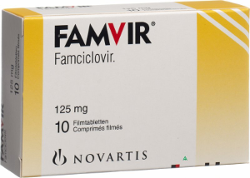
What is Famvir?
Famvir works in the same way as the drugs above (Valtrex and Acyclovir) but will sometimes work in cases where the others will not and vice-versa. Famvir is taken three times a day, when it is used as an episodic treatment for the initial genital herpes episode, or two times a day to treat recurrent outbreaks. Please consult your doctor for your specific dosage. Famvir is approved in some countries for daily use as a suppressive therapy (your doctor will be able to advise you if this is the case in your country). When it is used in this way, it has been shown in clinical trials to increase the time between outbreaks. For suppressive therapy, Famvir is taken two times every day.
Success Rate:
As with the medications above, Famvir can be very helpful for people when taken within 72 hours of developing symptoms. You should consult your doctor for further information about using Famvir for your particular situation. Like all treatments, Famvir will not work for everyone. If this is the case don’t despair. Try taking a different antiviral medication or a traditional or topical treatment and you may be more responsive to this.
Adverse Reactions:
Most commonly reported side effects are headache, nausea, diarrhea and abdominal pain. Other side-effects may include vomiting and fatigue. Serious complications have been reported in some cases where people have had a compromised immune system due to advanced HIV, or bone marrow or kidney transplant. Full list of Famvir side-effects
Therapeutic Herbs for Herpes
What are Therapeutic Herbs?
Success Rate
Adverse Reactions
What are Therapeutic Herbs?
Herbs have been used for their medicinal properties for hundreds of years, on both humans and animals. Herbs work most effectively when they are chosen specifically for each person and ailment, using discernment and with a comprehensive understanding of the condition that is being treated. The active ingredient in most herbs is an alkaloid. This is a powerful component of a herb’s constituents and can be toxic if taken in excess.
When using herbs, it is best for safety and quality purposes to buy standardized extracts, usually dispensed by accredited Herbalists or Naturopaths. You are then guaranteed to get quality and regulated concentrations, that if taken according to directions, should cause no harm.
This advice only applies to the very strong and toxic medicinal herbs. Those herbs used in the kitchen for supporting our immune systems and flavoring our foods are not as strong or dangerous.
Success Rate:
The following herbs have all been shown to have anti-viral properties against the Herpes simplex Virus:
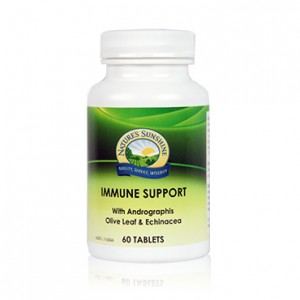
- Andrographis paniculata
- Olive leaf
- Prunella vulgaris
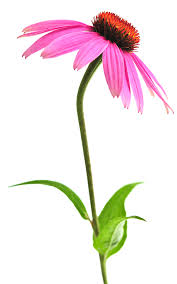
- Echinacea
- Cactus opuntia streptacantha
- Red marine algae
- Melissa officinalis (Lemon Balm)
- Licorice
- St John’s Wort
- Calendula
Herbs particularly beneficial for herpes, include:
Andrographis:
This herb has the ability to interfere with the way retro-viruses, such as Herpes, alter the DNA of healthy cells.
For this reason, a course of Andrographis paniculata is strongly recommended for anyone wishing to build a strong immune resistance against HSV, particularly in the early stages of infection or in persistent cases where other treatments are ineffective.
Andrographis optimizes the immune system, enabling it to more effectively suppress and prevent a Herpes infection.
The effectiveness of this herb is increased when it is taken in combination with Echinacea and Vitamin C.
Olive leaf:
Olive leaf is a herb that has been proven to reduce “Viral Shedding”. This means that if taken consistently, Olive Leaf has the potential to help prevent transmitting Herpes to an uninfected partner during those times when there are no obvious symptoms but viral particles are still being shed.
Dubbed the “Herpes Vaccine”, some literature suggests that Olive Leaf may have the ability to help protect uninfected partners from contracting Herpes.
Olive Leaf also improves different immunity processes which are required to fight off and suppress the herpes virus.
Echinacea:
This plant is highly regarded as a herb which can prevent the onset of viral infections. Echinacea can often help to prevent a herpes or cold sore flare-up, particularly when taken in advance.
A male patient, with a recurring genital Herpes condition of 12 years, trialled Echinacea and found that if the herb was taken within two hours of the onset of the initial tingling, he had far less pain and the outbreak ended. This case was reported in the British Journal of Phytotherapy.
Sufficient dosages specific to each herb are necessary to have the desired effect. When taking these herbal extracts, try to make sure the herbs are “standardized”. This is particularly important when using herbs to manage Herpes because this process helps to ensure that you are getting the right concentrations of the herbs to work properly and as intended.
All of these herbs can have an effect on pathogens, such as bacteria and viruses, within the human body.
Lavender:
Lavender is widely known for its rapid anti-staphylococcus and streptococcus effects, but is also beneficial against the cold sore/herpes virus.
Myrrh:
A plant herb that yields a therapeutic resin renowned for curing severe ulcers, as well as chest and blood infections from viruses and other pathogens.
Sage:
A moderately strong antiseptic that will kill most bacteria and viruses that it comes in contact with.
Adverse Reactions:
It is important to consult with your health care provider before taking herbs because even though they are natural substances they can be very powerful and can interact with some medications. If you are currently taking a prescription medication or other natural therapy it is important that you consult with your practitioner before taking any herbs or herbal extracts.
Herpes Oxygen Therapy
What is Oxygen Therapy?
Success Rate
Adverse Reactions
What is Oxygen Therapy?
Oxygen therapy relies on the principle that if we increase the concentration of oxygen in our cells, its action is extremely potent against pathogens such as viruses and bacteria.
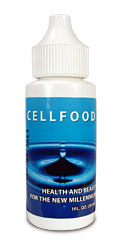
A trusted, quality form of this oxygen formula is Cellfood. This product is the world’s top selling oxygen and nutrient supplement. The powerful formula contains 78 minerals, 34 enzymes, and 17 amino acids. This form of oxygen therapy utilizes a proprietary water-splitting technology that provides a powerful stream of bio-available oxygen plus 129 nutrients directly to the cells.
Another form of oxygen therapy is 35% Food Grade Hydrogen peroxide which can be somewhat misunderstood and controversial. This is due to the fact that Hydrogen peroxide is an incredibly powerful and potentially dangerous substance when it is taken internally in the wrong form or amounts. Many people swear by Hydrogen peroxide and claim the state of their impeccable and viral free health is thanks to this substance. Others have had undesirable experiences from the solution either due to getting wrong dosages or the fact that they have used a grade of Hydrogen peroxide that is not for consumption. This point is crucial and it must be understood that if anyone is to undergo Hydrogen peroxide oxygen therapy, they must be fully aware of the process, dosage and form that is to be taken as well as preferably being guided by an experienced health care practitioner. Despite the conflict around Hydrogen peroxide, credit must be given to this amazing substance for its characteristics of being highly effective against viruses and oxygen disturbances within the human body.
Success Rate:
There are many reports of persons claiming partial to complete success with oxygen therapy.
Adverse Reactions:
Unfortunately if the blood concentration of oxygen exceeds a certain limit it is dangerous to normal cells, but this should not happen if the directions are correctly followed.
Most sources of hydrogen peroxide are not prepared for internal use and often contain high levels of unacceptable impurities. If one is to use hydrogen peroxide therapy in this manner they must be certain the intended formula is 35% Food Grade. This is used in the production of foods like cheese, eggs, and whey-containing products. It is also sprayed on the foil lining of aseptic packages containing fruit juices and milk products. THIS IS THE ONLY GRADE RECOMMENDED FOR INTERNAL USE.
Lysine, Vitamins and Minerals for Herpes
Combined Lysine Formula for herpes
What are Lysine, Vitamins and Minerals?
Success Rate
Adverse Reactions
What are Lysine, Vitamins and Minerals?
For some people, certain foods have a tendency to influence the frequency and severity of Herpes cold sore outbreaks.
Scientists have found that foods that contain a high amount of the amino acid Arginine (such as chocolate, nuts, coffee, oats, brown rice and wheat) have the potential to fuel the Herpes cold sore virus and can sometimes lead to a flare up of symptoms.
This is due to the fact that the Herpes virus needs the amino acid Arginine to replicate, and to function, so providing it with a source of Arginine may activate the virus and can cause an outbreak. If you have lots of Arginine in your diet this may provide the virus with an environment where it can thrive and therefore you may get more outbreaks more often.
Lysine is an amino acid which helps to naturally lower the body’s level of Arginine. So, if you eat foods that are high in Lysine (such as fresh fruits and vegetables, most dairy foods and fish) you can help to balance out the high levels of Arginine in other parts of your diet.
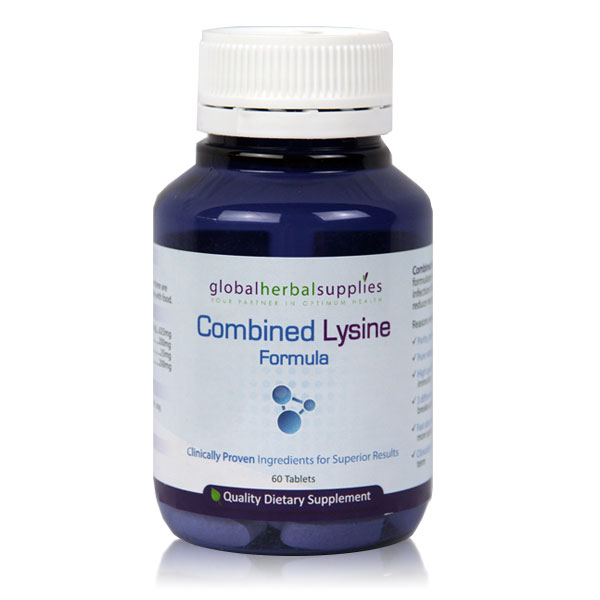
Clinical trials have shown that taking a 1250 mg supplement of Lysine daily can help to restrict the growth of the Herpes virus and can help with outbreaks. Two 625 mg tablets, once daily, is the recommended dose in clinical studies.
Benefits of Lysine for herpes:
- Lysine stops and reduces symptoms; including any sores or skin irritation, itching, tingling, leg pains and other noticeable signs of the Herpes virus.
- It may stop an outbreak before it starts if taken consistently each day at the recommended dose of 2 x 625 mg tablets (a total of 1250 mg daily).
- Lysine can help manage future episodes – it has the ability to help reduce the frequency and severity of any recurrences.
- It does this by counteracting any Arginine rich foods that you eat in your diet.
This way you can still eat some amounts of the food that may normally cause an outbreak (although not during an active outbreak) without this being a concern. All that is required is that you offset the ingested Arginine with a quality Lysine supplement. However, if you are going through an active outbreak, it is recommended that you abstain from Arginine-rich foods as much as possible so you are not feeding the infection. This should lessen the strength of the outbreak as well as helping to shortening its duration.
The Herpes virus also tends to erupt when the skin is vulnerable, which is why it is common to get a cold sore after going out in the sun for a long or intense period. Friction during sex can activate a genital herpes outbreak in the same way for some people.
Important Nutrients for Herpes suppression and skin healing:
-
ZINC
-
BIOFLAVONOIDS
-
VITAMIN C
These supplements can be taken to help build up a strong immune resistance to the Herpes virus, making an outbreak less likely to happen. They also improve the collagen and connective tissues in the skin and it is through the assimilation of these materials that the skin is more adaptable to healing and resilient to damage when the symptoms do arise.
Success Rate:
Taking Lysine and other vitamins and minerals is a gentle yet effective way to help manage Herpes conditions. The Herpes simplex virus (HSV) depends upon Arginine to grow and to become active so you can limit its activity quite successfully by taking Lysine and other nutrients that are beneficial against HSV.
When taking this combination of nutrients, the results are said to be 200% more effective than when taking Lysine alone. This is likely to be because of the added resistance that zinc, bioflavonoids and vitamin c can provide to the skin as well as their ability to help ward off infections.
Adverse Reactions:
Vitamins, minerals and amino acids already exist naturally in our diets. In fact, essential amino acids such as Lysine and Arginine can only be obtained through our diet. Taking these supplements simply elevates these nutrients to a quantity that is sufficient to help improve your body’s resistance against the virus.
When taken as directed, there is very little chance of any adverse effect. To avoid any disruption to the stomach, these nutrients should be taken along with food.
Tips to Help with Pain and other Herpes Symptoms
Painful Urination
For anyone experiencing extreme pain when urinating, the process can be less painful when done in a bath. Also drink plenty of fluids as this will dilute the urine which reduces stinging. If the pain is being caused from an infection of viral influences internally, a herbal tea known as Buchu can be ingested consistently to reduce symptoms. This herb has been known to remedy and aid the pain caused in the urinary tract system. Buchu has mild diuretic and antiseptic properties due to the volatile oils it contains.
Epsom Salt Baths
Epsom salts are used to wash the genital area and this can help to clean, soothe and dry the sores. Use 1 large scoop or a handful of “Epsom salts” in a warm bath of water and soak for as long as needed. As well as soothing the sores, Epsom salts also have the ability to deeply relax and regenerate the muscle tissue in the body. This is an added benefit to an already exhausted and stressed body.
Pain relievers
- Simple analgesics – such as Aspirin and Paracetamol.
- Ice – can be soothing if wrapped in a towel and placed on the aggravated area.
- Cold tea bags – the tannins in tea can assist with healing.
- Aloe Vera gel – can be useful in reducing swelling, soreness and heat in the skin, as well as healing scarring.
- Creams with an anesthetic component – creams however, can slow down the drying of an outbreak and therefore prolong the duration of the healing process so should therefore be used sparingly and only for pain relief.
- Outbreak pian relief tips
Loose Underclothes
Friction and constant contact from material can irritate and agitate an outbreak or tender area. Preferably cotton (not nylon) underclothing should be worn to help minimize discomfort and allow healing.
Emotional Stress
Bach Flower Remedies can be used to ease the emotional stress of Herpes, particularly Rescue Remedy.
Herpes Prevention
Genital herpes and cold sores are spread through:
- anal sex
- oral sex
- vaginal sex
- kissing
- touching the infected areas
To help prevent the spread of the Herpes virus:
- avoid any sexual contact if you are infected
- limit the number of sexual partners
- use latex condoms
- visit a local sexually transmitted disease (STD) clinic, hospital, or your doctor if you are infected
Note: Occasionally genital herpes infections can be spread by people with no noticeable symptoms. Unlike viruses such as influenza which can be transmitted through the air, herpes simplex viruses require physical contact. They are frequently transmitted through:
- mouth-to-mouth contact (HSV-1)
- genital-to-genital contact (HSV-2)
- hand-to-genital
- mouth-to-genital
Detailed information on herpes prevention.
Conditions confused with Herpes
Listed below are some other conditions sometimes mistaken for Herpes:
Bacterial or yeast infections
- do not usually produce blistering
- Canker sores (aphthous ulcers)
- are gray with a distinct edge
- usually occur inside the mouth
- usually heal within 10-14 days without treatment
- Yeast Infection Information
Impetigo
- is a highly infectious bacterial disease
- often produces crusty blisters
- is more common among children
Molluscum contagiosum (molluscum)
- like Herpes, molluscum is a viral infection of the skin
- unlike Herpes, molluscum produces lesions that are raised, with a central dimple
- Molluscum Information
Syphilis
- is a bacterial infection
- causes chancres sometimes mistaken for blisters caused by genital Herpes
- Unlike genital Herpes, Syphilis does not usually produce a cluster of blisters, and it usually responds well to antibiotics.
- Syphilis Information
Questions about the Herpes Virus
How serious is Herpes?
Mild symptoms can be experienced with HSV-2, but often no apparent symptoms are present.
HSV-2 may cause recurrent painful genital ulcers and can be severe in people with suppressed immune systems. Severe genital Herpes frequently causes psychological and emotional stress.
If a woman with HSV-2 is pregnant, potentially fatal infections in infants can occur. A cesarean -section delivery is usually carried out if a woman has active genital Herpes at time of giving birth.
People infected with Herpes may be more susceptible to HIV infection (the virus that causes AIDs), and HIV-infected individuals may be more infectious than uninfected carriers.
How do you know if you are infected with the Herpes virus?
Many people with HSV are sometimes not aware that they are infected.
Some people infected with HSV-2 do not have lesions or may suffer only very mild, almost unnoticeable, symptoms which are sometimes mistaken for insect bites or a rash.
Symptoms of the primary episode can be quite pronounced. The primary episode usually occurs within two weeks after the virus is contracted and lesions usually heal within 2-4 weeks of outbreak.
Other symptoms may include a second crop of lesions, or flu-like symptoms including:
- fever
- swollen glands
A primary episode of genital Herpes can cause several symptomatic recurrences a year (average 4 or 5). Most recurrences happen more often within the first year following the primary episode.
If you couldn’t find the information you were looking for try
For more information, watch this video:
